
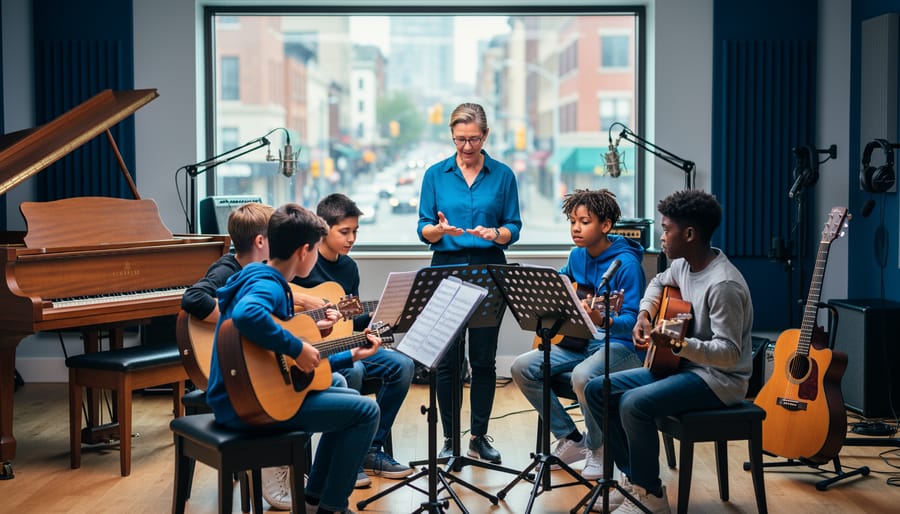
Canada’s music education sector offers a vibrant range of teaching opportunities, from public school positions requiring provincial certification to private studios where you can build your own client base. Whether you’re a classically trained pianist, a contemporary vocal coach, or a guitar instructor with a passion for passing on your skills, the Canadian market has genuine demand across all levels, from early childhood programs to post-secondary institutions.
The pathway into music teaching varies widely depending on your chosen setting. Public school music teachers typically need a Bachelor of Education with a music specialty and provincial certification, a process that can take five to six years from undergraduate studies through teacher training. Private instructors can often begin teaching immediately with strong performance credentials and a modest studio setup, while college and university positions generally require advanced degrees and professional performance experience.
Right now, Canada’s music education landscape reflects our country’s incredible cultural diversity. You’ll find opportunities to teach traditional Indigenous music practices, incorporate multicultural repertoire into your curriculum, and work with students from every background imaginable. The job market strength varies by region, with urban centers like Toronto, Montreal, and Vancouver offering more positions but also more competition, while smaller communities sometimes struggle to fill specialized music teaching roles.
This guide walks you through the complete spectrum of music teaching careers available across Canada in 2026, covering qualifications you’ll need, realistic salary expectations, and practical strategies for landing your first position or transitioning from performance to education.
Why Music Teaching Jobs Are Thriving Across Canada

Music education in Canada is experiencing a genuine renaissance. Across provinces and territories, school boards are reversing years of cuts to arts programs, community music schools are opening new locations, and private instructors report waiting lists they haven’t seen in decades. If you’re considering a career teaching music, you’ve chosen an opportune moment.
The funding shift is real and measurable. Provincial governments are recognizing that music education isn’t a luxury, it supports cognitive development, emotional well-being, and community cohesion. From British Columbia’s expanded Creative Education Strategy to Ontario’s renewed arts curriculum investments, budgets for music programs are growing.
This translates directly into job openings for qualified music educators who can design curriculum, lead ensembles, and inspire students.
Canada’s cultural diversity creates unique teaching opportunities you won’t find elsewhere. Cities like Toronto, Vancouver, and Montreal need instructors who can teach Western classical traditions alongside Indian classical music, Chinese folk instruments, and Latin American styles. Indigenous communities are reclaiming their musical heritage and require educators who respect traditional knowledge systems while helping youth connect with their roots. This isn’t tokenism, it reflects genuine demand from families who want their children to learn music that speaks to their identity.
The pandemic paradoxically strengthened music education’s position. Parents watched their kids struggle with isolation and screen fatigue, then saw music lessons provide structure, accomplishment, and joy during uncertain times. Schools noticed which programs students truly missed. That collective experience reminded Canadians why music matters, creating renewed commitment to ensuring every child has access to quality instruction. Teachers who can blend in-person and digital methods, adapt to different learning environments, and make music accessible regardless of circumstances are particularly valuable right now.
Where Music Teachers Are Needed Most
Public and Private Schools
Elementary and secondary schools form the backbone of music education across Canada, offering steady positions that blend teaching with performance direction. Public school music teachers typically work with multiple grade levels, leading band programs, orchestras, and choirs while teaching fundamental music theory and appreciation classes. These roles come with full benefits, pension plans, and summers off, making them particularly attractive for musicians seeking stability.
Private schools often provide smaller class sizes and more flexible curricula, allowing teachers to develop innovative programs or focus on specific musical traditions. You might direct a competitive jazz ensemble at one school or build a world music program at another. Many private institutions value teachers who can wear multiple hats, perhaps directing the spring musical while also teaching individual instrumental lessons.
Competition for these positions varies by province and specialty. Wind and string teachers generally find more openings than general music educators, particularly in growing suburban districts. Rural schools sometimes struggle to fill music positions, offering opportunities for teachers willing to relocate and potentially teach multiple subjects alongside their music responsibilities.
Private Music Studios and Academies

Private music studios and academies offer some of the most flexible teaching arrangements you’ll find. These independent schools range from established conservatories with dozens of instructors to boutique studios focusing on specific genres or age groups.
Working at a private academy typically means more control over your schedule than public school positions. You might teach individual lessons, small group classes, or both. Many studios handle the administrative work, booking students, collecting payments, managing the space, while you focus on instruction. Compensation usually works on a percentage split (often 60-70% for the teacher) or a flat rate per lesson.
Running your own studio takes this independence further. You set your rates, choose your students, and design your curriculum. Home studios keep overhead low, though you’ll need adequate space and soundproofing. The trade-off? You’re handling everything from marketing to invoicing.
Conservatories like the Royal Conservatory of Music offer prestige and structured curricula, preparing students for examinations and certifications. Competition for these positions can be fierce, but they provide steady work and professional credibility that attracts serious students.
Community Programs and Non-Profit Organizations
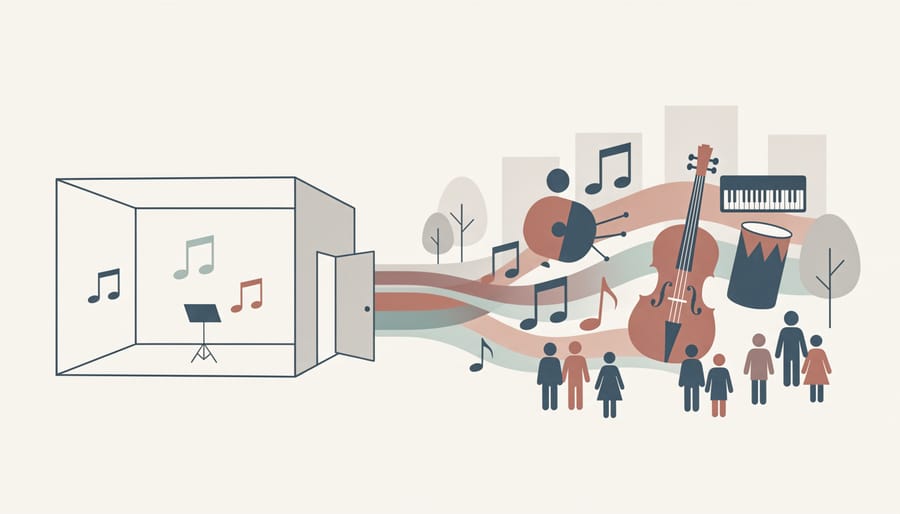
Community centres, non-profit organizations, and cultural programs offer some of the most meaningful teaching opportunities in Canada. These positions let you work directly with populations who might otherwise lack access to music education, from newcomer settlement programs to after-school initiatives in lower-income neighborhoods. Organizations like El Sistema-inspired programs in Toronto, Vancouver, and Montreal provide intensive music training to children facing barriers, while Indigenous music initiatives across the country create spaces for traditional knowledge transmission and contemporary Indigenous music exploration.
The teaching style here differs significantly from classroom instruction. You’ll often work with mixed-age groups, adapt to students who can’t afford instruments or lessons, and collaborate with social workers and community organizers. Many positions are part-time or contract-based, making them ideal for working musicians who want to maintain performance careers while giving back. This environment also provides excellent music career networking opportunities, connecting you with artists, organizations, and funders invested in accessible music education.
Pay varies widely, from volunteer positions to salaried roles with benefits, but the impact is undeniable. You’re not just teaching notes and rhythms; you’re creating pathways for students who might discover their voice through music.
Post-Secondary Institutions
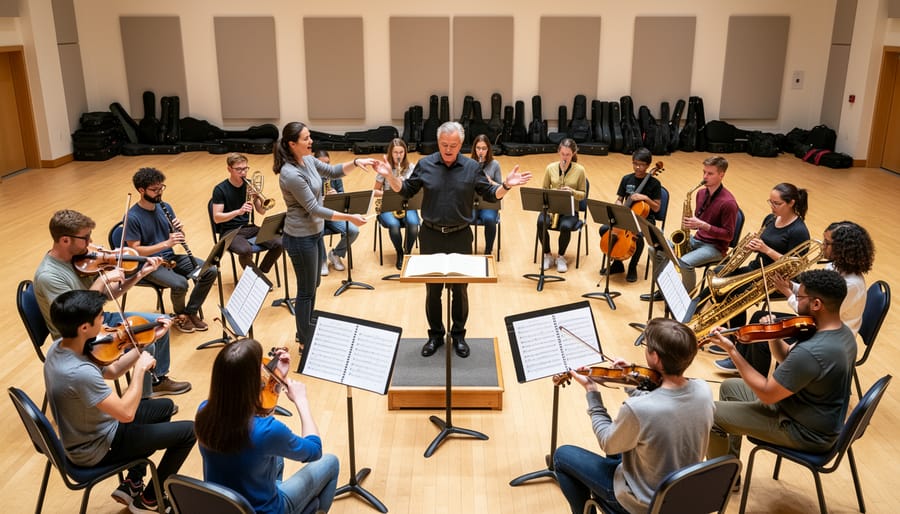
Landing a position at a Canadian college or university represents the pinnacle of music teaching careers, offering the chance to work with serious students while maintaining your own performance and research practice. These roles typically focus on applied instruction (teaching your primary instrument or voice), ensemble direction, or specialized areas like composition, music theory, or ethnomusicology.
Competition is fierce. Most positions require a graduate degree, often a doctorate for university appointments, plus a strong performance résumé and published research or recordings. However, colleges and smaller institutions sometimes hire exceptional performers with master’s degrees, particularly for applied instruction or contemporary styles like jazz and popular music.
Beyond full-time faculty positions, many institutions hire sessional instructors and adjunct professors to teach individual lessons or conduct specialized ensembles. These part-time roles provide valuable experience and networking opportunities, often serving as stepping stones to permanent appointments. Universities like McGill, University of Toronto, and UBC have robust music programs, but don’t overlook smaller institutions across the country, many offer intimate teaching environments and strong community connections that can be incredibly rewarding.
What You Need to Start Teaching Music in Canada
Education Requirements and Certifications
The formal requirements for teaching music in Canadian schools vary significantly by province, making it essential to research the specific credentials needed in your target region. Most provinces require a Bachelor of Education degree with a music specialization, though some accept a Bachelor of Music followed by a post-degree teaching certificate. For example, Alberta teacher certification requirements differ from those in British Columbia or Ontario, particularly regarding the number of practicum hours and subject-area coursework.
If you’re planning to teach in public schools, you’ll need provincial teacher certification or registration with the regional teachers’ college. This typically involves completing an accredited teacher education program, passing criminal background checks, and sometimes demonstrating proficiency in both official languages depending on the school board. The process can take several months, so start early when exploring where to find work in formal education settings.
Private schools and music studios operate under different rules. Many don’t require provincial certification, focusing instead on your musical expertise, teaching experience, and ability to connect with students. However, having formal credentials often commands higher rates and opens more doors, even in private settings where they’re not mandatory.
Performance Experience and Specializations
Your performance background isn’t just impressive credentials, it’s your ticket to specific teaching opportunities that align with your musical identity. Classical musicians with conservatory training often find natural fits in private studios and university positions, where technical precision and repertoire knowledge are valued. Jazz instrumentalists and vocalists can carve out niches teaching improvisation, leading combos, or directing school jazz bands, especially in urban centres where these programs thrive.
If you specialize in contemporary styles like rock, pop, or electronic music production, you’ll discover growing demand at community music schools and private academies catering to students who want modern, relevant instruction. Your real-world gigging experience becomes a teaching asset, showing students practical musicianship beyond theory books.
Indigenous musicians with knowledge of traditional songs, drumming, and storytelling practices are increasingly sought after as schools and cultural programs work to integrate Indigenous perspectives into music education. This specialized expertise creates unique opportunities to preserve cultural heritage while educating the next generation.
Genre specialists open doors that generalists can’t. Your particular musical journey, whether you’ve toured, recorded, or mastered a specific tradition, becomes the foundation for meaningful, authentic teaching that connects with students pursuing similar paths.
Alternative Pathways for Working Musicians
If you’re a working musician without a teaching degree, you can still build a rewarding teaching career in Canada. Many successful music teachers establish private studios from their homes or rent space in music shops, teaching students one-on-one without provincial certification requirements. You set your own rates, choose your teaching methods, and work with students who seek your specific expertise.
Workshop facilitation offers another pathway. Musicians with strong performance backgrounds lead masterclasses, weekend intensives, and specialized clinics at music festivals, summer camps, and community centres across Canada. These short-term teaching opportunities let you share knowledge while maintaining your performance schedule.
Community music programs often welcome experienced musicians who can mentor youth ensembles, lead songwriting circles, or teach traditional styles, especially Indigenous musicians preserving cultural practices. Your real-world experience carries tremendous value here.
Some musicians start teaching through music stores offering lessons, which provides students and administrative support while you develop teaching skills. Others create online courses or offer virtual lessons, reaching students nationwide without geographical constraints.
The key is leveraging what makes your musical journey unique rather than viewing lack of formal credentials as a barrier.
Building Your Music Teaching Career
Landing your first music teaching position requires more than qualifications on paper. Start by building a visible presence in your local music community. Attend recitals, workshops, and music education conferences where you’ll meet administrators, fellow teachers, and potential collaborators. The Coalition for Music Education in Canada hosts events across provinces that connect educators with employment opportunities while keeping you current on pedagogy trends.
Create a professional portfolio that showcases your teaching philosophy, performance background, and student achievements. Include video clips of rehearsals or lessons (with appropriate permissions), sample lesson plans tailored to Canadian curricula, and recordings of ensembles you’ve directed. Many school boards now request digital portfolios during the application process, and a polished online presence sets you apart from candidates who submit only résumés.
Network strategically across multiple channels. Join provincial music educator associations like the Ontario Music Educators’ Association or the British Columbia Music Educators’ Association, which post job openings and offer mentorship programs. Connect with local musicians who teach privately, they often hear about positions before they’re advertised publicly. Don’t overlook social media groups dedicated to Canadian music education, where teachers share leads and advice.
For those seeking artist partnerships consider collaborative opportunities that expand your teaching profile. Team up with performing ensembles to offer workshops, or partner with community organizations to design specialized programs. These collaborations build your reputation while demonstrating your commitment to music education beyond traditional classroom settings.
Supply teaching provides an excellent entry point into public school systems. You’ll gain classroom experience, learn how different schools operate, and build relationships with administrators who make permanent hiring decisions. Many full-time positions go to supply teachers already familiar with the school culture.
The transition into teaching can feel isolating, especially when balancing performance aspirations with educational responsibilities. Seek out emotional support through mentorship programs and peer networks. Experienced educators often welcome new teachers into their studios for observation and guidance.
Finally, stay flexible about location, particularly early in your career. Smaller communities across Canada frequently struggle to fill music positions and may offer incentives for teachers willing to relocate. These roles provide invaluable experience and autonomy that accelerates your professional growth.
What Canadian Music Teachers Can Expect to Earn
Let’s talk real numbers. Compensation for music teaching in Canada varies significantly depending on where you teach, your credentials, and which province you call home.
Public school music teachers with full certification earn the most stable income. Starting salaries typically range from $45,000 to $55,000 annually, climbing to $75,000-$95,000 with experience and additional qualifications. Teachers in Ontario and Alberta generally see higher earnings, while Atlantic provinces tend toward the lower end of these ranges. The trade-off? Excellent benefits, pension contributions, and job security that private teaching rarely matches.
| Teaching Context | Starting Range | Experienced Range |
|---|---|---|
| Public School (certified) | $45,000-$55,000 | $75,000-$95,000 |
| Private Academy/Conservatory | $35,000-$45,000 | $50,000-$70,000 |
| Private Studio (self-employed) | $25,000-$40,000 | $45,000-$80,000 |
| College/University (sessional) | $4,000-$7,000/course | $60,000-$85,000 (full-time) |
Private studio teachers work differently. Your earning potential depends entirely on how many students you can attract and retain. Most charge $30-$75 per hour depending on their expertise and location. A teacher with 20 steady students working 30 hours weekly can earn $45,000-$60,000 annually, but you’re covering your own space, instruments, insurance, and materials. Urban centres like Toronto, Vancouver, and Calgary support higher rates than smaller communities.
Post-secondary positions offer middle ground. Sessional instructors teaching individual courses earn $4,000-$7,000 per course, while full-time faculty at colleges and universities make $60,000-$85,000 with academic credentials and performance experience.
Location matters enormously. Toronto and Vancouver pay more but cost more to live in. Smaller cities and remote communities sometimes offer bonuses to attract qualified teachers, partially offsetting lower base salaries.
Making a Real Impact on Canadian Music Culture
Teaching music in Canada means more than delivering lessons and marking assignments. You’re actively shaping the country’s cultural landscape, one student at a time. When you guide a young vocalist through their first performance or help a struggling guitarist finally nail that chord progression, you’re doing something that reverberates far beyond the practice room.
Canadian music educators serve as cultural custodians, preserving traditions that might otherwise fade. If you’re teaching Métis fiddling techniques in Manitoba or introducing students to the rich history of Mi’kmaq drumming in the Maritimes, you’re ensuring these vital musical expressions continue into future generations. The same applies when you introduce classical repertoire by Canadian composers like R. Murray Schafer or contemporary works by Indigenous artists who are redefining what Canadian music sounds like.
Your classroom becomes a bridge between musical worlds. Students who might never encounter jazz improvisation, throat singing, or electronic music production at home discover these genres through your enthusiasm and expertise. You’re expanding their musical vocabulary and showing them the breadth of what’s possible.
The impact extends to individual lives in profound ways. Many professional musicians trace their careers back to one transformative teacher who believed in them, offered honest feedback, or simply created a space where creativity could flourish. You might be that person for a student who hasn’t realized their potential yet.
Teaching also keeps you connected to your local music community in meaningful ways. You’ll collaborate with other educators, perform in community ensembles, and watch former students join bands, start teaching their own students, or pursue professional careers. That sense of continuity and contribution gives music teaching its lasting fulfillment, knowing you’ve helped build something bigger than any single performance or career.
Canada’s music education landscape offers more than just employment, it provides a chance to shape the cultural fabric of communities from coast to coast. Whether you’re drawn to directing high school jazz ensembles in Toronto, teaching traditional fiddle styles in Cape Breton, or running private piano lessons in Vancouver, opportunities exist across diverse settings and regions.
The demand for passionate music educators continues to grow as schools expand arts programming and communities recognize music’s essential role in development and cultural expression. You’ll find pathways that match your qualifications and experience, from formal teaching positions requiring provincial certification to flexible private instruction that lets you design your own practice.
Teaching music means nurturing the next generation of Canadian talent, preserving diverse musical traditions, and creating spaces where students discover their creative voices. The financial rewards vary by context, but the impact you’ll make, helping a student find confidence through performance, introducing communities to new musical perspectives, or simply sharing your love of music, creates fulfillment that transcends any salary grid.
If you’re ready to combine your musical expertise with meaningful community work, Canada’s music education ecosystem is waiting for educators who bring both skill and heart to the work.