
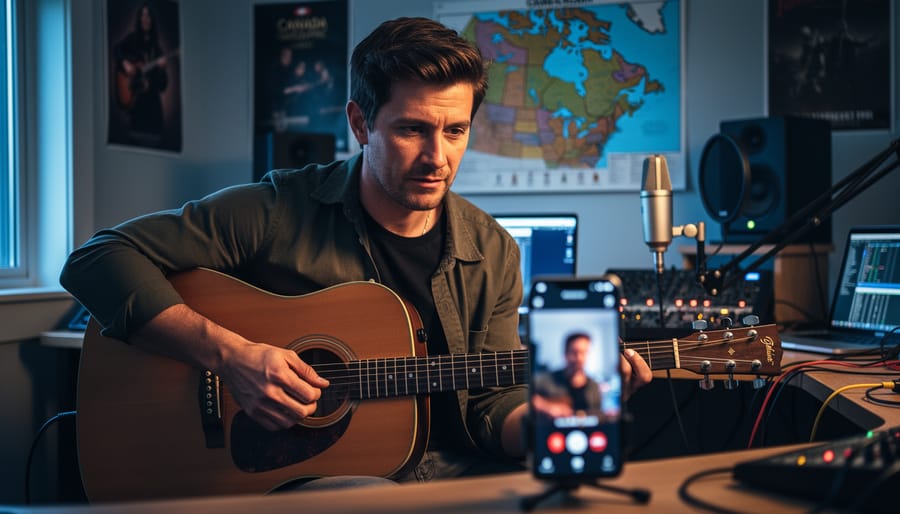
Emotional support for Canadian musicians means building reliable networks of peers, mentors, and professional resources that help you sustain creative momentum and mental health through the unique pressures of this country’s music industry. Unlike clinical therapy alone, this support encompasses everything from artist collectives and informal check-ins to industry-specific counseling services that understand why missing a festival slot or losing a grant can feel devastating. Canada’s vast geography, limited venues outside major markets, and the constant hustle between creation and self-promotion create isolation that no amount of streaming success can fix on its own.
The musicians thriving in 2026 aren’t necessarily the most talented. They’re the ones who’ve stopped trying to tough it out alone. Whether you’re navigating the competitive Toronto scene, working from a remote prairie town, or trying to break through in Montreal’s tightly-knit indie community, the emotional toll of building a career in Canadian music demands intentional support structures. Grant rejection fatigue, tour burnout, and the pressure to maintain a flawless online presence while barely covering rent are distinctly real challenges that deserve practical solutions, not just platitudes about self-care.
This guide provides concrete steps for identifying and accessing emotional support tailored to Canadian music realities. You’ll discover national and regional organizations offering peer networks, learn how to build your own support system when formal resources aren’t available, and understand why prioritizing emotional resilience isn’t weakness but the foundation that lets emerging talents actually emerge.
The Hidden Toll of Building a Music Career in Canada
Building a music career in Canada comes with a unique set of emotional challenges that go far beyond the universal struggles of any artist trying to break through. The country’s sheer size means many emerging musicians work in isolation, hours from the nearest venue or collaborator, without the daily creative community that sustains artists in major hubs. When you’re developing your sound in Thunder Bay or Saint John, the distance from Toronto or Montreal can feel like a creative gulf that’s impossible to bridge.
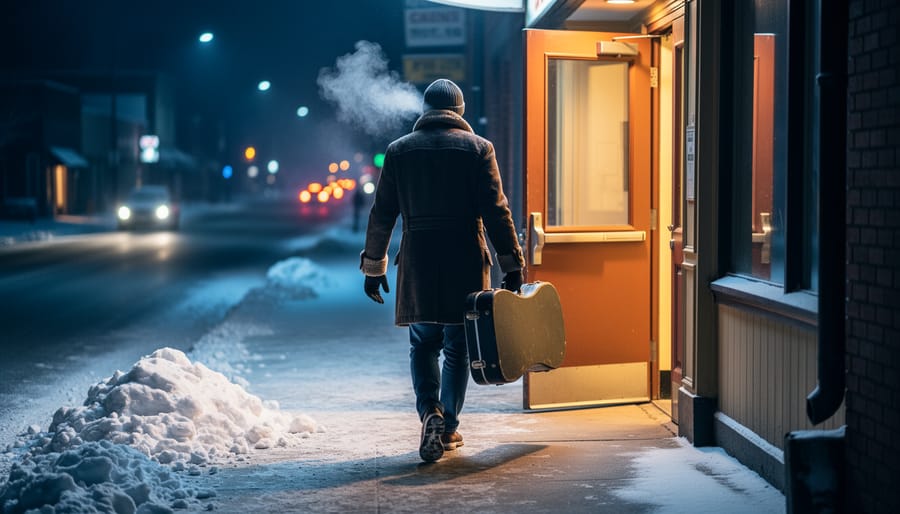
Canada’s harsh winters compound this isolation. Long, dark months trigger seasonal affective disorder in many people, and musicians who already face irregular schedules and performance anxiety are particularly vulnerable. Try maintaining creative momentum when it’s minus thirty outside and the sun sets at 4:30 PM.
The financial reality hits harder for emerging artists. Studies on financial precarity in music reveal that most Canadian musicians earn well below the poverty line from their art, forcing them to juggle day jobs that drain the energy they need for their craft. You write songs after eight-hour shifts, mix tracks at midnight, and wonder if you’ll ever afford proper studio time.
Emerging Canadian musicians regularly face:
- Constant rejection from labels, playlists, and venues with no feedback on why
- Pressure to represent Canadian identity while finding an authentic voice
- Comparison to successful peers who seem to have figured it out
- Guilt about pursuing art instead of a stable career path
- Imposter syndrome amplified by Canada’s tall poppy syndrome
The expectations around representing Canadian culture add another layer. There’s an unspoken pressure to be authentically Canadian enough to access grants and radio play, but not so regional that you can’t compete internationally. Emerging artists feel caught between celebrating their roots and proving they belong on a global stage, all while handling the emotional weight of repeated rejection and financial stress with little support infrastructure in place.
What ‘Emotional Support Canadian’ Actually Means for Musicians
When Canadian musicians talk about emotional support, they’re not just referring to therapy appointments or crisis hotlines (though those matter too). They’re describing something more specific: the web of relationships, advocates, and communities that keep you grounded when the industry threatens to shake your confidence.
At its core, emotional support in the Canadian music scene means having people who believe in your work before the streaming numbers prove them right. It’s the veteran producer who answers your 2 a.m. text about whether to sign a dodgy publishing deal. It’s the fellow artist who reminds you that playing to twelve people in Moncton still counts as a win. It’s the radio programmer who champions your single when larger markets ignore it.
This support shows up in mentorship relationships where someone further along the path shares the messy truth about their journey, not just the highlight reel. It appears in peer networks where you can admit you’re scared, broke, or questioning everything without losing credibility. Canadian musicians often build these circles deliberately, recognizing that our industry’s geographic sprawl and smaller market size mean we genuinely need each other.
What makes this distinctly Canadian is the collaborative spirit baked into our music culture. Unlike markets where competition eclipses community, Canadian artists tend to lift as they climb. We celebrate each other’s JUNO nominations, share tour routing tips for the prairies, and genuinely want the next generation to have an easier path.
This isn’t therapy, and it shouldn’t replace professional mental health care when you need it. Think of emotional support as the daily sustenance that prevents crises, while clinical support addresses them when they arrive. Both deserve space in your toolkit.
Canadian Music Organizations That Offer Real Support

Coast-to-Coast Support Networks
Canada’s 5.5-million-square-kilometre span creates unique challenges for musicians seeking community, but several organizations bridge these distances. FACTOR (the Foundation Assisting Canadian Talent on Recordings) operates nationally, providing not just funding but connections between artists in different provinces through showcases and networking initiatives. Their regional coordinators understand local music ecosystems while facilitating cross-country collaboration.
The National Arts Centre’s Indigenous Theatre and Music programs connect First Nations, Métis, and Inuit artists from Nunavut to Nova Scotia, creating mentorship chains that honour cultural traditions while supporting contemporary creation. Meanwhile, Canada Council for the Arts maintains peer assessment networks where established musicians mentor emerging talents across time zones.
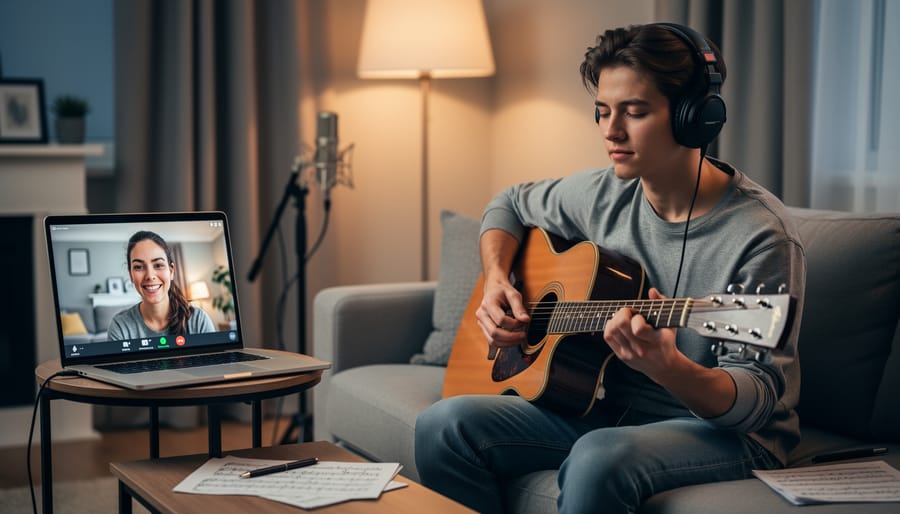
Regional music industry associations, Music BC, Ontario Creates, Manitoba Music, and Québec’s ADISQ, coordinate through the Canadian Independent Music Association, ensuring artists in smaller markets access the same support systems as those in Toronto or Montreal. These organizations increasingly host virtual coworking sessions and peer support groups, recognizing that emotional connection doesn’t require physical proximity. For touring artists, organizations like the Western Canadian Music Alliance facilitate warm introductions between communities, transforming cross-country tours from isolating journeys into relationship-building opportunities.
Genre-Specific Communities
Canadian music genres aren’t just categories, they’re communities with distinct support cultures. Hip-hop collectives across Toronto, Montreal, and Vancouver have built tight-knit crews where producers, rappers, and DJs share studio time, co-promote releases, and navigate industry politics together. These networks often emerge from shared experiences of marginalization, creating spaces where artists champion each other’s wins and weather setbacks collectively.
The indie scene operates differently. House shows, artist-run venues, and DIY festivals foster a pay-it-forward ethos. Established indie acts regularly mentor emerging artists, offering practical advice on touring logistics, grant applications, and sustainable career paths. Online forums and regional Discord servers keep scattered artists connected between shows.
Classical musicians face unique isolation, orchestra positions are scarce, and competition is fierce. Chamber music collectives and new music ensembles provide both performance opportunities and emotional refuge. Organizations like the Canadian New Music Network connect composers and performers across genres, breaking down the sometimes-lonely world of classical training.
Electronic and experimental communities thrive in artist collectives and shared studio spaces, where collaboration trumps competition. Pop artists, meanwhile, increasingly find support through songwriting camps and co-writing sessions that double as mental health check-ins.
Each genre’s support system reflects its culture, but the common thread is clear: musicians who survive and thrive rarely do it alone.
Building Your Own Support System as an Emerging Artist
Building your own emotional support system isn’t about waiting for the perfect mentor to appear or hoping a label will take you under their wing. It starts with small, intentional actions that compound over time into a network that sustains you through the inevitable ups and downs of a music career.
Start by identifying what you actually need. Are you looking for someone who understands the technical side of production? A peer who gets the loneliness of writing at 2 AM? An industry contact who can demystify publishing deals? Getting clear on your gaps makes reaching out more effective and less overwhelming.
- Attend local music events not just to perform, but to listen and connect. Show up for other artists’ shows, open mics, and industry panels. Real relationships form when you’re present without an agenda.
- Join online communities specific to Canadian musicians in your genre. Facebook groups, Discord servers, and Reddit forums often have members who’ve faced exactly what you’re going through.
- Reach out to one artist whose career path you admire and ask a single, specific question. Most musicians remember what it was like starting out and will respond to genuine, respectful curiosity.
- Create value before asking for it. Share other artists’ work, offer your skills (mixing, design, social media), or organize a songwriter circle. Support systems are reciprocal.
- Document your journey publicly through social media or a newsletter. Vulnerability attracts people who want to help, and your honesty about struggles creates permission for others to do the same.
Remember that asking for help, advice, or even just a listening ear isn’t weakness. It’s the same skill that lets you collaborate, co-write, and build the teams that turn bedroom projects into careers. Every successful Canadian artist you admire got there with support from others who believed in them before the rest of the world caught on. Your job is to start building that circle now, while you’re emerging, not after you’ve already made it.
How the Industry Can Better Support Canadian Musicians
The responsibility for supporting Canadian musicians doesn’t rest solely on artists themselves. Labels, venues, festivals, and platforms hold significant power to reshape industry culture in ways that prioritize mental health and emotional sustainability.
Forward-thinking labels are already implementing artist-first policies: transparent contract language, mental health days written into touring schedules, and dedicated artist relations staff who check in beyond just release cycles. Some Canadian indie labels now cover therapy costs as part of their artist support packages, recognizing that a healthy artist creates better, more sustainable work.
Venues can transform their approach by treating artists as partners rather than vendors. This means fair payment structures that don’t rely on door splits, green rooms that feel welcoming rather than utilitarian, and staff trained to recognize when performers are struggling. Calgary’s Festival Hall and Montreal’s Casa del Popolo have become models by creating spaces where artists genuinely want to return.
Festivals are rethinking their structures too. Providing quiet spaces backstage, scheduling realistic load-in times, offering meals that aren’t just pizza and energy drinks, and creating artist lounges where musicians can connect with peers, these aren’t luxuries, they’re investments in people. The Edmonton Folk Music Festival’s artist care program sets a standard others should follow.
Music platforms and streaming services need to move beyond playlist placements and consider how their payout structures affect artist wellbeing. When musicians can’t afford rent despite millions of streams, the system isn’t working.
Change happens when industry professionals recognize that artist burnout isn’t inevitable, it’s a policy choice. Building emotionally supportive environments means valuing long-term careers over short-term extraction, and understanding that sustainable success benefits everyone in the ecosystem.
The path to a sustainable music career in Canada isn’t just about perfecting your craft or landing the right gig. It’s about building the emotional infrastructure that lets you keep creating through the inevitable ups and downs. For emerging Canadian artists in 2026, emotional support isn’t background noise, it’s the foundation that makes everything else possible.
Whether you’re an artist seeking connection or a fan who wants to contribute, you have a role in strengthening our music community. Reach out to that musician whose work moves you. Show up for local shows. Share resources. Celebrate small wins alongside the big ones. These seemingly small actions create the networks that sustain careers and preserve the diversity of voices that make Canadian music culture so vital.
The artists who thrive aren’t necessarily the most talented or the luckiest. They’re the ones who recognize they can’t do it alone and who actively build communities around themselves. That’s the Canadian approach: supporting each other so everyone gets a chance to shine.