
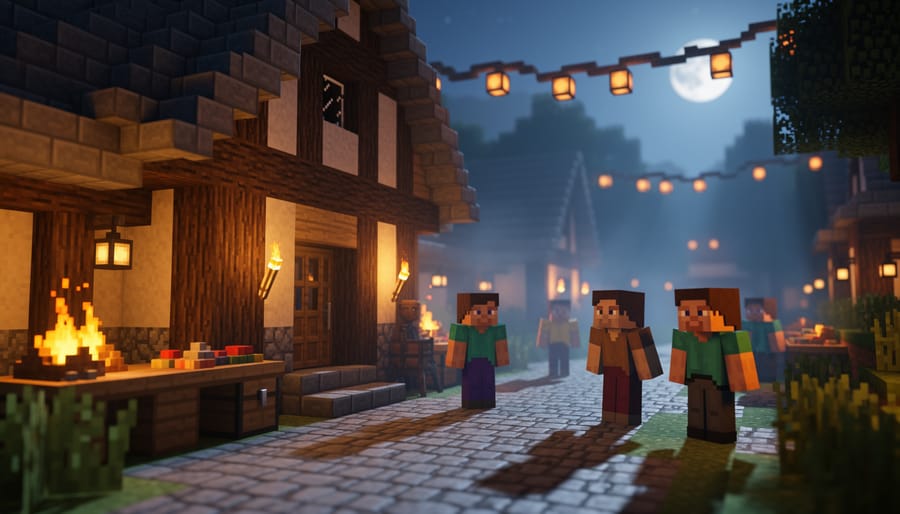
Minecraft server roleplay music sound design immersion is the strategic use of custom audio, ambient soundscapes, and dynamic music systems to deepen a player’s emotional connection to a roleplay narrative within a Minecraft server environment. In 2026, as roleplay communities grow more sophisticated, server administrators increasingly recognize that well-crafted audio transforms a simple block-based game into a convincing world where players genuinely feel like medieval villagers, space explorers, or fantasy adventurers.
Sound and music can support a roleplay atmosphere, but their effect depends on the server’s design and on player preferences. A player comparing Minecraft servers can also check the roleplay rules, lore approach, moderation, version, and whether any client-side resources are optional or required.
The difference between a few Minecraft servers worth comparing and truly memorable roleplay experiences often comes down to sound. When footsteps echo differently in a stone dungeon versus a forest path, when tension-building music swells during a crucial story moment, or when a bustling marketplace feels alive with ambient chatter and street performer melodies, players stop seeing pixels and start experiencing a story. Sound design can contribute to an atmosphere, but its effect on community participation varies by server and player preference.
For Canadian music creators, this represents an emerging opportunity. Server communities actively seek original compositions and sound design that match their unique lore, whether that’s haunting orchestral pieces for a gothic vampire realm or upbeat folk tunes for a peaceful farming community. With these servers boasting thousands of active players, the demand for skilled audio professionals continues to expand.
This article breaks down exactly how sound design creates immersion in Minecraft roleplay servers, the technical components that make it work, the different types of audio systems administrators deploy, and real-world applications that showcase what’s possible when music and gameplay truly merge.
What Minecraft Server Roleplay Sound Design Really Means
Minecraft server roleplay sound design is the intentional creation and implementation of custom audio experiences that replace or layer onto the game’s default sounds to support storytelling and world-building. Think of it as the sonic blueprint for a server’s identity, the difference between walking through a generic Minecraft forest and stepping into a living realm where wind rustles through ancient trees, distant bells toll from a cathedral, and your character’s faction theme swells as you approach your guild hall.
At its core, this creative practice involves composing original music, recording environmental sounds, and strategically placing audio cues throughout a server to make roleplay feel tangible. A medieval fantasy server might feature lute melodies in taverns, the clash of blacksmith hammers near forges, and ominous orchestral strings when players enter cursed lands. A modern city server could layer traffic noise, street musicians, and neighbourhood-specific background tracks that change as you move through different districts.
- Ambient soundscapes
- Continuous background audio that establishes a location’s atmosphere, like marketplace chatter, ocean waves, or forest creatures. These layers create a sense of place without requiring player interaction.
- Roleplay cues
- Specific sounds or musical phrases triggered by narrative events, character actions, or story progression. They signal emotional shifts, announce important moments, or reinforce a player’s in-game identity.
- Resource packs
- Downloadable bundles containing custom audio files that players install to hear the server’s unique soundscape. These replace or supplement Minecraft’s default sound library.
- Audio triggers
- Server-side systems that play particular sounds when certain conditions are met, entering a region, completing a quest, or participating in an event. They create dynamic, responsive audio experiences.
- Immersive environment
- The holistic sensory experience created when visual building, written lore, and layered sound design work together to convince players they’ve entered another world.
The creative process behind this work mirrors professional game audio development but happens in passionate community spaces. Canadian composers and sound designers are increasingly contributing to these projects, building portfolios while helping server communities craft distinctive sonic worlds. They’re recording real instruments, layering field recordings, and programming adaptive systems that respond to player choices, all to make a blocky sandbox feel like a living, breathing story.
How Music and Sound Design Work in Roleplay Servers

Resource Packs and Custom Audio Files
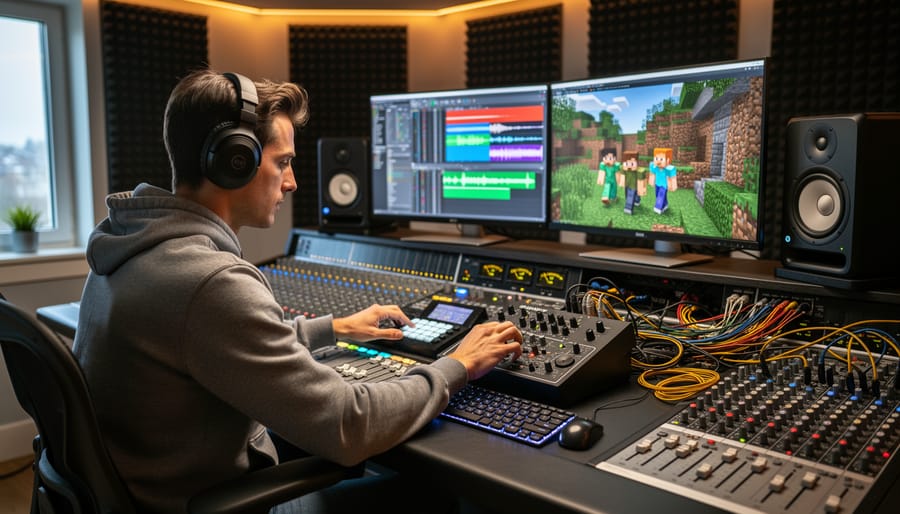
Resource packs function as ZIP archives containing custom audio files that override Minecraft’s default sounds. Creators produce original music tracks and sound effects, often in a home studio setup then organize them into specific folder structures matching Minecraft’s audio categories. Each sound file gets mapped to a game event through JSON configuration files that tell the game when and where to play each audio element.
Players download these resource packs from server websites or community repositories, place them in their Minecraft resource pack folder, and activate them in-game. Once enabled, every ambient sound, music disc, and environmental effect reflects the server’s custom audio design. Some servers host their packs directly, allowing automatic download prompts when players join, eliminating manual installation steps.
The technical requirements are straightforward: OGG format for music and sounds, proper file naming conventions, and correct folder hierarchy. Well-optimized packs balance audio quality with file size, ensuring smooth performance without overwhelming player bandwidth or storage.
Server-Side Audio Triggers and Plugins
Server administrators control the immersive audio experience through specialized plugins that detect what’s happening in the game world and respond with perfectly timed sounds. These server-side tools monitor everything from where players stand to which quests they’ve completed, triggering appropriate audio without requiring players to do anything beyond installing the initial resource pack.
Popular plugins like AudioConnect, OpenAudioMc, and custom scripts built on frameworks such as Spigot or Paper let admins set invisible audio zones throughout their maps. Walk into the throne room? Regal fanfare plays automatically. Approach a battlefield? Tense combat music fades in gradually. This location-based triggering creates seamless transitions between different areas, each with its own sonic identity.
Event-based triggers add another layer of responsiveness. When a player accepts a quest, completes an objective, or witnesses a scripted story moment, the server can cue specific musical stings or sound effects that only they hear, or broadcast dramatic scores to everyone nearby. Some sophisticated setups even adjust audio based on player health, time spent in an area, or roleplay status tags, creating truly adaptive soundscapes that react to how the story unfolds moment by moment.
Dynamic Layering and Adaptive Music Systems
The most sophisticated roleplay servers use adaptive music systems that respond to gameplay in real time. Instead of playing a single track on loop, these systems layer multiple instrumental stems, percussion, strings, brass, vocals, and fade them in or out based on what’s happening. When a player enters combat, the system might add driving drums and aggressive horns to a peaceful background melody. During tense negotiations, it might strip everything back to sparse piano and strings.
Some servers trigger intensity shifts based on health levels, proximity to other players, or story flags set by administrators. A Vancouver-based server designer recently shared how her team uses proximity detection to blend different musical themes as players move between faction territories, creating seamless sonic transitions that reinforce the world’s political geography. These dynamic systems require careful planning, composers create modular music pieces designed to work in multiple combinations, ensuring transitions feel natural rather than jarring.
Building Blocks of Immersive Minecraft Audio
Environmental and Ambient Soundscapes
Environmental ambiance forms the foundation of every immersive roleplay server, transforming blocky terrain into places that feel real. Forest biomes come alive with chirping birds, rustling leaves, and distant animal calls that shift throughout the day. Desert marketplaces buzz with merchant chatter, clinking coins, and the shuffle of feet on sand. Coastal towns layer crashing waves with creaking docks and seagull cries that make harbours feel weathered and lived-in.
The best soundscapes work subtly in the background, never demanding attention but always reinforcing where players are. A busy tavern might blend low conversation hum, clinking glasses, crackling fireplace, and the occasional chair scrape. These layers create depth that vanilla Minecraft’s sparse audio can’t match. Players stop hearing individual sounds and start feeling the space around them.
What makes environmental audio truly effective is context-aware variation. Rain sounds different hitting cobblestone streets than forest canopies. Underground caverns echo with dripping water and distant rumbles. Morning marketplace sounds sparse and sleepy, while afternoon brings peak activity. This attention to environmental detail makes server worlds feel authentic, giving players the sensory grounding that makes roleplay believable and emotionally engaging.
Character and Faction Themes
Musical motifs work like sonic signatures in roleplay servers, giving characters, guilds, and kingdoms their own recognizable audio identity. When a player representing the Northern Guard faction enters an area, other players might hear a distinctive horn fanfare or drumbeat pattern that announces their presence and reinforces their faction’s military character. These signature sounds become shorthand for personality and allegiance.
Character themes let players craft deeper roleplay personas. A wandering bard might trigger gentle lute melodies when they perform in taverns, while a dark mage’s arrival could bring ominous strings or discordant notes. Over time, community members start associating specific musical phrases with individual characters, much like film scores do with protagonists.
Kingdom anthems and faction battle themes strengthen group identity. When guild members gather for ceremonies or coordinate during server events, shared musical cues create emotional cohesion and pride. Canadian composers have contributed memorable themes to several large roleplay communities, writing everything from Celtic-inspired clan motifs to modern synth signatures for futuristic factions. These audio markers transform abstract roleplay concepts into tangible, memorable experiences that players genuinely connect with.
Emotional Cues and Narrative Music
Music becomes most powerful in roleplay servers during moments that matter. When your character faces a rival guild in battle, discovers an ancient artifact, or witnesses a royal coronation, the right musical cue transforms gameplay into cinema.
Dramatic swells during combat scenes raise tension and make every sword swing feel consequential. Discovery moments often trigger ethereal, wonder-filled themes that reward exploration and make finding hidden locations unforgettable. Ceremonial events, weddings, funerals, coronations, gain gravitas through processional music that signals significance to everyone present.
The best narrative music matches emotional arcs. A triumphant fanfare after completing a difficult quest validates player effort. Melancholic strings during a character’s death scene help the community process loss together. Suspenseful drones before a plot reveal keep players engaged.
Server composers often create leitmotifs that recur across storylines, building emotional associations over time. When players hear that haunting violin melody again months later, they immediately recall the fallen hero or betrayal it accompanied. This musical memory-making deepens immersion by giving roleplay servers their own emotional language, one that grows richer with every shared experience.
How Roleplay Communities Use Sound Design
Fantasy and Medieval Roleplay Servers
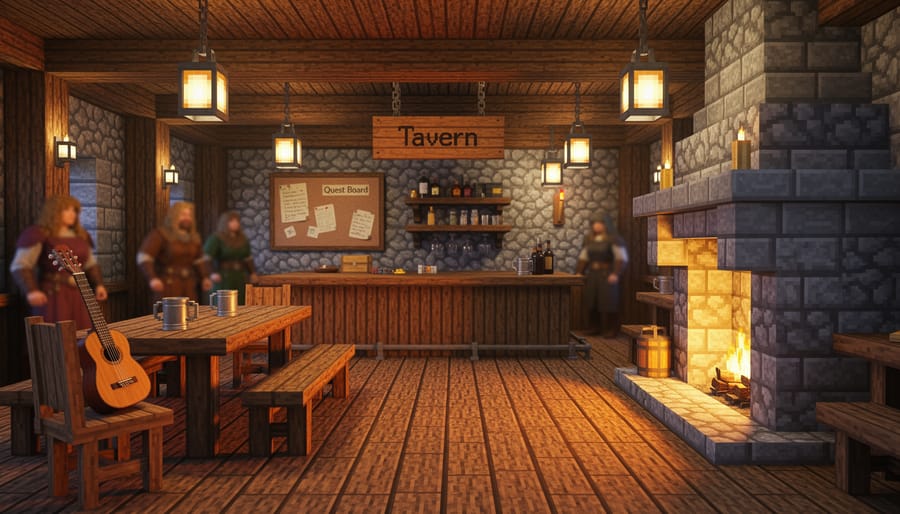
Orchestral strings sweeping across a castle courtyard, the low rumble of war drums as armies gather, a lone flute echoing through a forest grove, fantasy and medieval roleplay servers live and breathe through their soundscapes. These servers typically layer period-appropriate instrumentation like lutes, harps, hurdy-gurdies, and Celtic whistles into their ambient tracks, creating an immediate sense of stepping into another era.
Kingdom servers often assign distinct musical identities to different realms: a Nordic-inspired kingdom might feature deep male choirs and thundering percussion, while an elvish territory uses ethereal vocals and gentle string arrangements. Tavern interiors come alive with rowdy folk melodies and clinking tankards, while throne rooms command respect with stately fanfares.
Adventure servers take this further by scoring dungeon explorations with tension-building drones and sudden brass stings when players encounter danger. Canadian composers have found particular success in this space, bringing orchestral training and folk music traditions to craft authentic medieval soundscapes that make roleplaying a knight, merchant, or wizard feel genuinely transportive rather than just cosmetic.
Modern and Urban Roleplay Settings
Modern and urban roleplay servers demand a completely different sonic palette than their fantasy counterparts. Think bustling city streets where players hear distant car horns, subway rumbles beneath their feet, and the hum of neon signs flickering overhead. Contemporary music sets the mood, lo-fi hip-hop for coffee shop districts, electronic beats in nightclub zones, jazz drifting from upscale restaurants.
What makes these servers particularly immersive is layered ambient detail. Players walking through residential neighbourhoods might hear muffled television sounds, dogs barking, and neighbours chatting. Downtown areas pulse with traffic noise, construction work, and street musicians. Some servers even implement functional radio systems where players can tune into different stations broadcasting actual music playlists or talk shows.
Futuristic settings push this further with synthesized soundscapes, holographic interface beeps, and drone engine hums. The audio shifts as players move between corporate towers, underground markets, and high-tech labs. When done well, these contemporary soundscapes make players forget they’re in a block-based game and feel genuinely present in a living, breathing metropolis.
Story-Driven Quest Servers
Story-driven quest servers demand a different approach to audio than open-world roleplay environments. Here, sound design functions like a film score, guiding players through carefully choreographed narrative beats. When a player accepts a quest to infiltrate a corrupted temple, the music shifts from exploration mode to tension-building strings and ominous percussion. As they solve puzzles deeper inside, the composition layers in suspenseful motifs that crescendo during boss encounters.
Canadian composers working in this space treat each quest arc as a mini-soundtrack, complete with leitmotifs that recur when players face recurring antagonists or reach story milestones. The Chrono Legacy server, for instance, uses time-period-specific instrumentation as players jump through historical eras, baroque harpsichord for Renaissance chapters, synthwave for dystopian futures.
Adaptive systems detect quest progress and dialogue choices, adjusting music intensity accordingly. A stealth mission maintains quiet, sparse instrumentation until detection triggers combat themes. Victory fanfares reward completed objectives, while melancholic piano underscores emotional story revelations. This cinematic treatment transforms linear questlines into memorable narrative experiences that players discuss long after completion.
The Creative Opportunity for Canadian Musicians
The Minecraft roleplay community represents an exciting frontier for Canadian composers and sound designers seeking creative work beyond traditional pathways. As server communities grow more sophisticated in 2026, they’re actively seeking original music and audio design, creating genuine employment opportunities for musicians willing to explore this digital space.
Many emerging artists are building impressive portfolios by scoring roleplay servers, gaining experience in adaptive music composition, environmental sound design, and collaborative world-building. Unlike conventional music industry jobs these projects allow creators to experiment freely with genre-blending and interactive audio while receiving immediate feedback from engaged player communities. Server administrators often commission full soundtracks, character themes, and ambient soundscapes, providing paid work that rivals other freelance opportunities.
The skills developed through game audio design transfer directly to film scoring, podcast production, and commercial composition, making it valuable professional development. Canadian musicians are also connecting with international collaborators through Discord servers and Reddit communities dedicated to Minecraft roleplay, expanding their networks far beyond local scenes.
This creative outlet complements traditional paths like music teaching jobs while adding digital media experience to a resume. The Canadian music industry benefits when creators explore diverse platforms, and the roleplay server community offers genuine appreciation for original work. Server owners value musicians who understand both composition and the technical requirements of resource pack integration, creating opportunities for those willing to learn both sides of the process.
Common Questions About Minecraft Roleplay Sound Design
Players and creators often have similar questions when they first encounter custom audio in Minecraft roleplay. Whether you’re downloading your first resource pack or considering building soundscapes for a server community, understanding the basics helps you get started with confidence.
Do I need special software to create sound design for Minecraft servers?
Not necessarily. Basic audio editing can be done with free tools like Audacity or GarageBand, though professional options like FL Studio or Ableton Live offer more advanced capabilities. Many creators start simple and build their toolkit as their skills develop.
Can I use copyrighted music in my roleplay server?
Using copyrighted music without permission creates legal risks, even in private servers. Most successful roleplay communities commission original music from independent composers or use royalty-free libraries to avoid copyright issues and create unique sonic identities.
What file formats work best for Minecraft audio?
Minecraft uses .ogg format for all audio files. You can convert common formats like .mp3 or .wav using free conversion tools, but keeping file sizes reasonable ensures smooth performance for all players.
How much does it cost to create custom audio for a server?
Costs vary widely. Solo creators can start for free using open-source software and their own creativity, while commissioning professional composers might range from a few hundred to several thousand dollars depending on scope and quality. Many Canadian musicians offer flexible pricing for community projects.
Beyond these technical considerations, new sound designers should focus on understanding their server’s narrative needs first. The most effective audio comes from close collaboration with server administrators and roleplay communities, where you learn what emotional beats matter most and which environments need sonic depth. Starting small with a few ambient tracks or simple environmental sounds lets you test how players respond before investing in complex adaptive systems. The roleplay community values authenticity and creativity over expensive production, making it an accessible space for emerging artists to practice their craft and build portfolios while contributing to vibrant virtual worlds.
Music and sound design don’t just add polish to Minecraft roleplay servers, they fundamentally reshape how players experience these virtual worlds. A well-crafted soundscape turns blocky terrain into a living, breathing kingdom where every footstep, distant conversation, and orchestral swell pulls you deeper into the story. When you hear that tavern’s warm bustle or your faction’s heroic theme kick in during a pivotal moment, you’re not just playing a game anymore. You’re inhabiting a narrative.
What makes this space so exciting in 2026 is how accessible it’s become for creators. Canadian musicians and sound designers are carving out genuine careers and portfolios in this niche, collaborating with server communities to build sonic identities that players remember long after logging off. Whether you’re composing sweeping fantasy scores or layering urban ambience for a modern roleplay hub, these projects offer creative freedom and a receptive audience hungry for immersive experiences.
If you’re a player, seek out servers that invest in custom audio, it’ll change how you roleplay. If you’re a musician, consider offering your skills to these communities. The intersection of gaming and audio artistry is thriving, and the soundscapes being built in these virtual spaces deserve recognition. From Vancouver studios to bedroom producers across Canada, creators are proving that immersion starts with what you hear, not just what you see.